

Minor
Exercise Science
Exercise science examines how the human body responds and adapts to exercise and physical activity; integrating physiology, movement, and nutrition to enhance overall physical well-being.
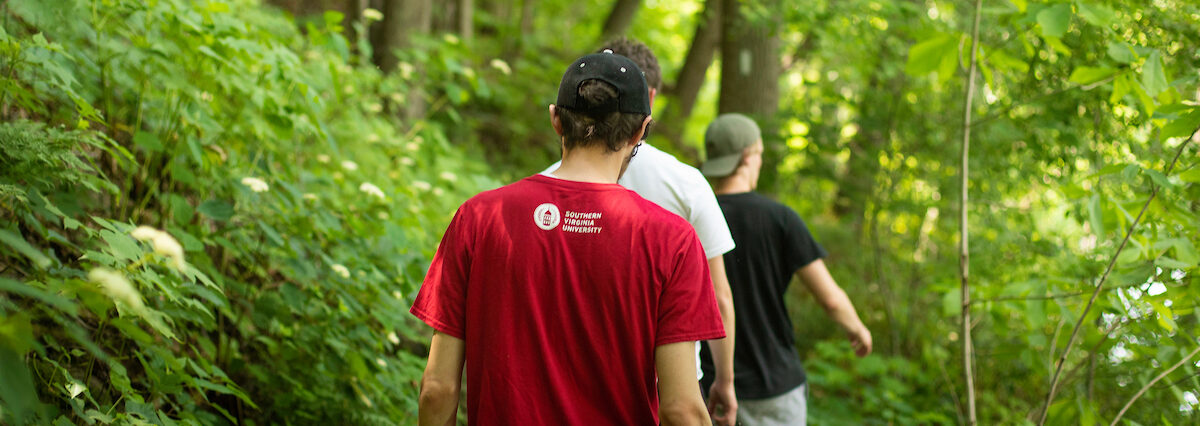
About the Exercise Science Minor
Students in the exercise science minor gain a foundational understanding of human movement, fitness, and health promotion. This program focuses on concepts such as human anatomy, exercise physiology, biomechanics, and nutrition to understand how the body responds to acute exercise and the ability to adapt to long term chronic exercise training.
The program combines classroom learning with practical application, equipping students with skills to assess and enhance physical performance, prevent injuries, and support overall wellness. With small class sizes and dedicated faculty, students receive personalized guidance and opportunities to engage in hands-on experiences in fitness and rehabilitation settings. The exercise science minor prepares graduates for advanced studies in exercise physiology, physical therapy, or other health-related fields, as well as careers in fitness training, wellness coaching, and more.
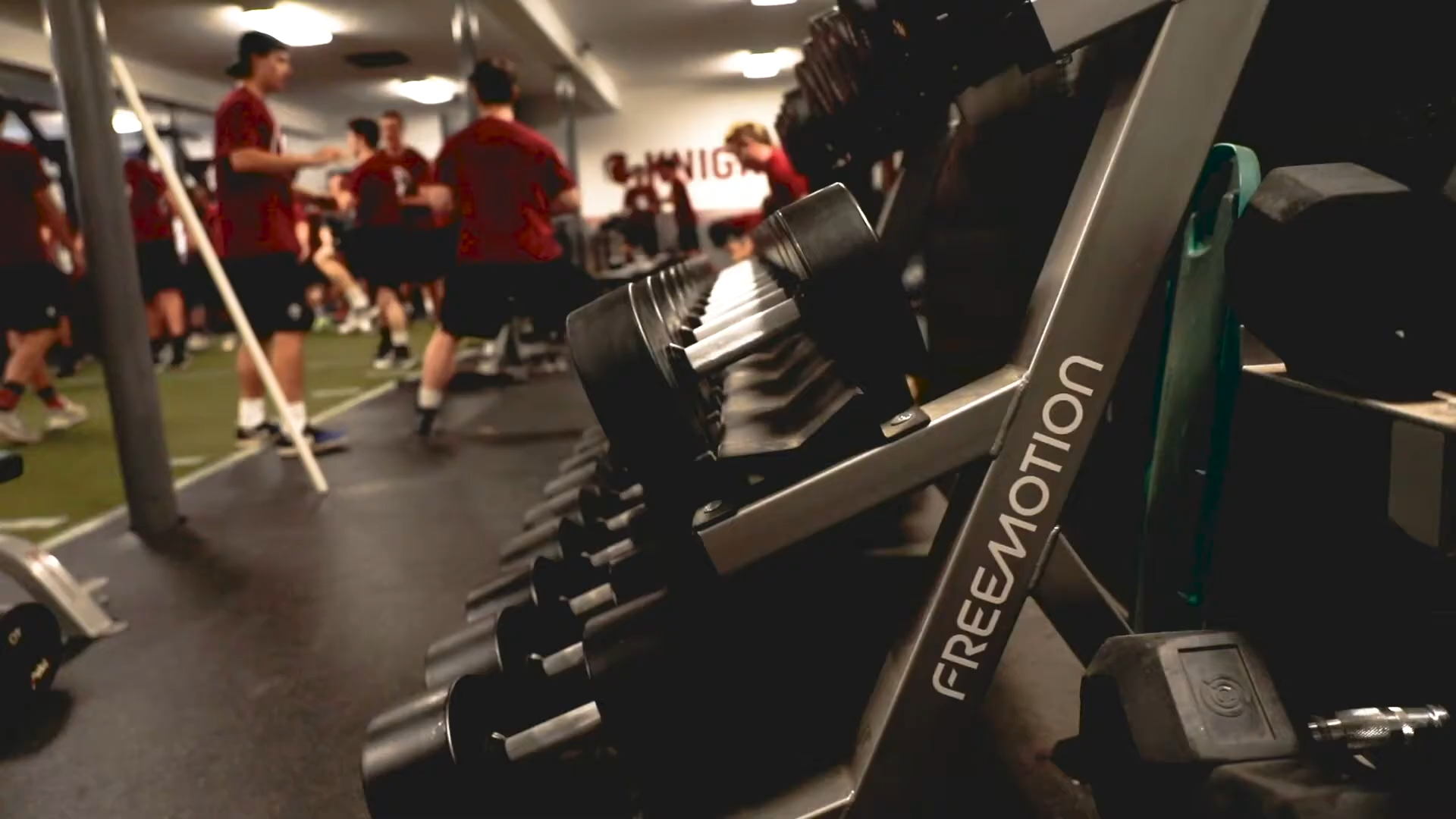
Learning Outcomes
What you’ll learn in the Exercise Science minor:
- Understanding the physiological, biomechanical, and psychological principles of exercise and physical activity
- Proficiency in assessing physical fitness and designing personalized exercise programs
- Knowledge of injury prevention, rehabilitation strategies, and health promotion practices
- Development of critical thinking and communication skills for application in fitness, wellness, and clinical environments
- Hands-on experience in exercise testing, program design, and fitness instruction
Career Opportunities
This program is designed to help students in pursuit of careers in the fitness industry including roles in exercise training, coaching, health promotion, sport science, and athletic training. Students will also gain a strong foundation for graduate studies in exercise science (MS and PhD) and be prepared to attend medical school, dental school, physical therapy school, and physician assistant programs.
- Personal Trainer
- Physical Therapist
- Occupational Therapist
- Exercise Physiologist
- Wellness Coach
- Corporate Wellness
- Sports Medicine
- Athletic Trainer
Get Started in the Exercise Science Minor:
Follow these simple steps below to get a head start in the
Exercise Science Minor today.
Enroll
Begin by taking BIO 201 General Biology I and BIO 202 General Biology II in your first year
Contact Your Advisor
Get in touch with Dr. Brady Hanson to discuss your interests and goals
Declare
Turn in a completed PDFDeclare Minor Form to the Registrar’s Office
Questions? Contact the Registrar at emailregistrar@svu.edu.
Exercise Science Faculty

Brady Hanson
Assistant Professor of Biology–Exercise/Health Science