

Major & Minor
Sport Performance
Sport performance is the theory and practice of competitive sport. The program emphasizes athletic excellence, sportsmanship, and Christlike leadership while preparing students for careers inside and outside of sport.
About the Sport Performance Major
Competing well in sport requires not only physical virtues such as strength, speed, and agility, but intellectual and moral virtues such as good judgment, courage, self-control, and justice. The sport performance major educates students in the virtues needed for athletic excellence, sportsmanship, and Christlike leadership. Students compete in several seasons of intercollegiate or elite sport and take courses in nutrition, sports psychology, philosophy of sport, leadership, and other sport-related subjects which prepare them for different career paths.
Sport performance is a liberal art. An art is knowledge of how to do or make something well. A liberal art is a branch of knowledge of how to live well as a free human being. Free human beings rule themselves. Since humans are social, self-rule involves cooperative self-governance. Sport relies on two basic facts of human life: that we inhabit physical bodies and that we live with others. In sport, athletes test their physical and mental powers against those of their competitors, freely cooperating in an essentially social activity that humans love for its energy, beauty, and skill.
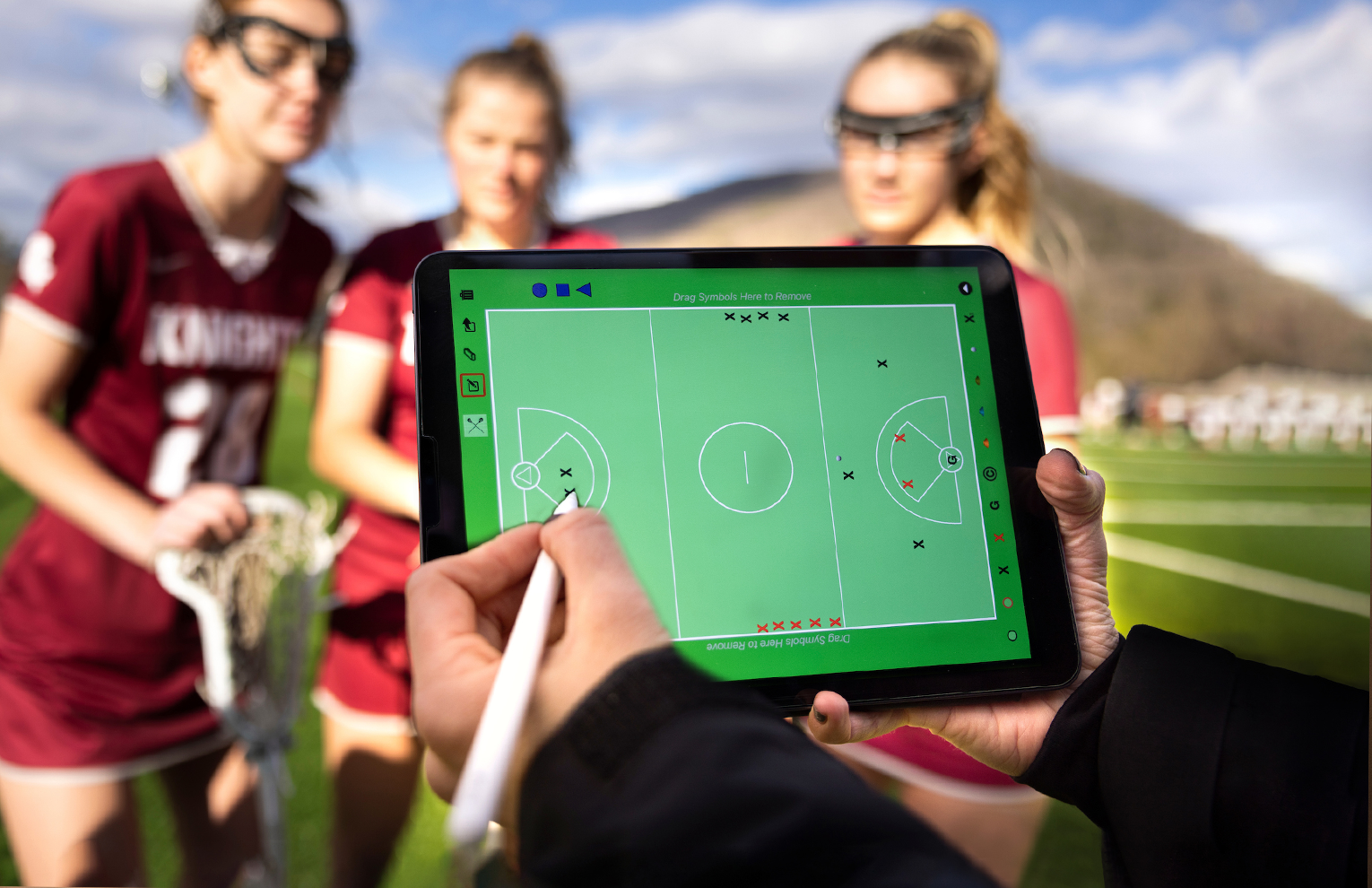
The sport performance major and minor use participation in sports competition as a primary mode of learning and therefore require students to participate in athletic competition through a university-sponsored athletic team or, with the university’s approval, by training for and participating in elite sports competitions such as those sponsored by the International Olympic Committee or a professional sports league. Petitions to use participation in elite competition to satisfy program requirements should be addressed to the program coordinator for consideration by the Sport Performance Committee.
Learning Outcomes
What you’ll learn in the Sport Performance major:
- How to improve your athleticism
- How to identify and exercise the cardinal virtues (courage, temperance, justice, and wisdom)
- How to adhere to a healthy diet
- How to argue reasonably about philosophical issues in sport
- How to be a Christlike leader
Career Opportunities
A degree in sport performance prepares students for a dynamic range of careers that emphasize teamwork, professionalism, strategic thinking, leadership, and openness to feedback. Students may use their major elective courses or an optional sport-related concentration to focus on coaching, sports analytics, sports communication, sports design, sports management, sports photography, or strength and conditioning. When supplemented with appropriate courses in the natural sciences, sport performance can prepare students for graduate programs in athletic training and exercise science. Like other liberal arts, sport performance is suitable preparation for graduate programs in law, medicine, dentistry, business administration, public administration, healthcare administration, social work, and other professional fields.
- Coaching
- Sports administration
- Sports facilities management
- Sports marketing
- Parks and recreation management
- Human resources
- Personal trainer
Getting started in the Sport Performance Major
Follow these simple steps below to get a head start in the Sport Performance Major today
Contact Your Advisor
Get in touch with New tab, Opens Bio of: Professor John Armstrong to discuss your interests and goals
Enroll
Enroll in courses recommended by your advisor
Declare
Turn in a completed PDFDeclare Major Form to the Registrar’s Office
Questions? Contact the Registrar at emailregistrar@svu.edu.
Sport Performance Faculty
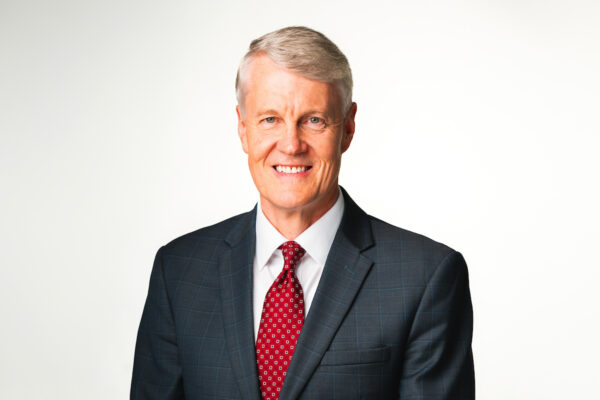
John Armstrong
Professor of Philosophy; Sport Performance Program Coordinator

Alan Whitehead
Associate Professor of Psychology

Brady Hanson
Assistant Professor of Biology–Exercise/Health Science
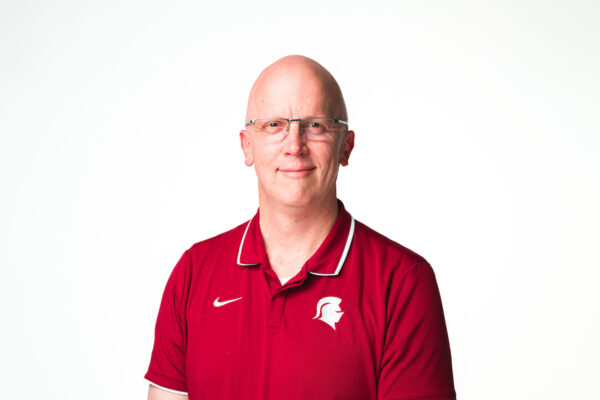
Jeff Batis
Professor of Psychology; Psychology Program Coordinator
Related Programs and Concentrations
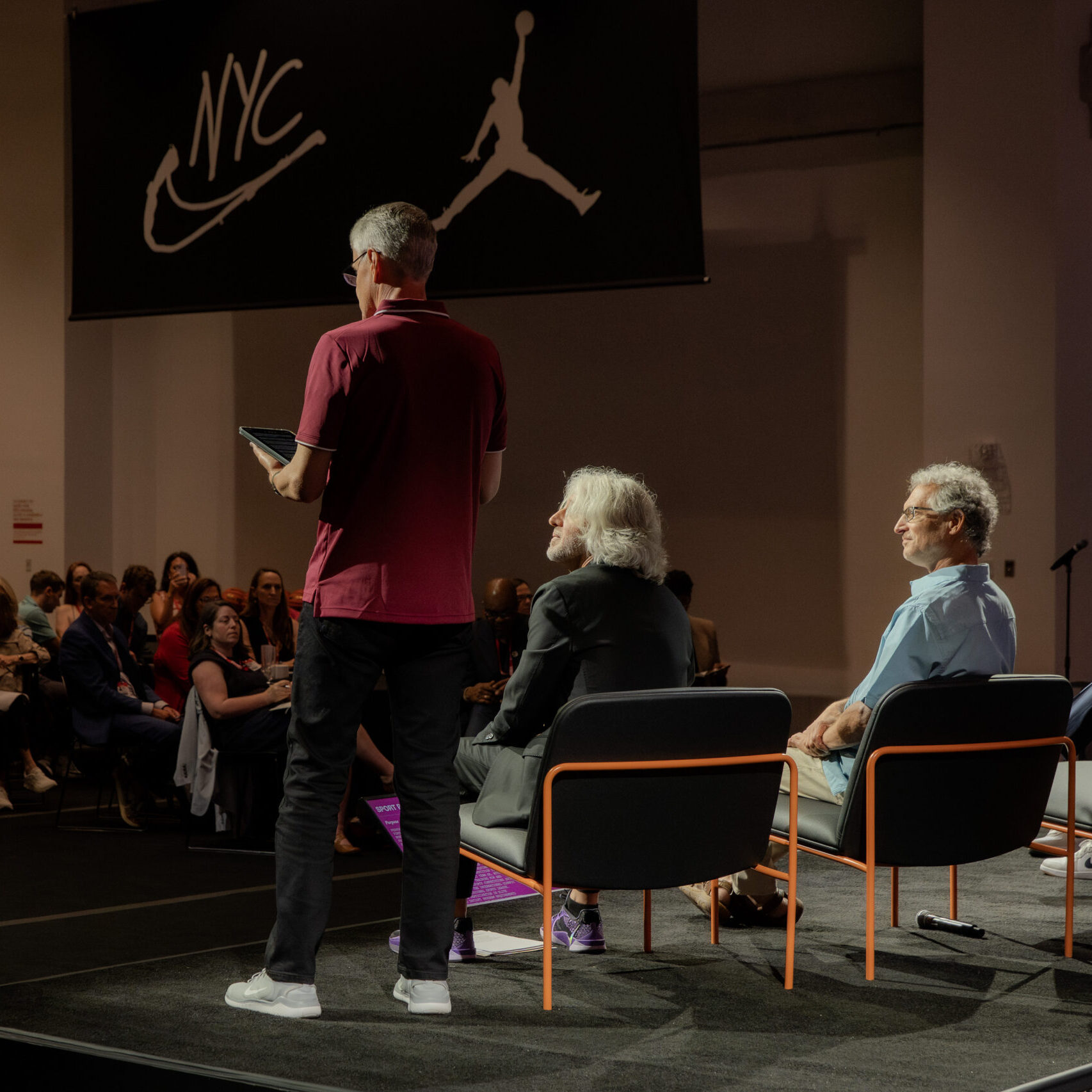
SVU’s Sport Performance Major Receives Standing Ovation at Nike New York Headquarters
On June 25, 2025, Professor of Philosophy John Armstrong traveled to Nike’s New York City headquarters for the first meeting of the Sports Major Collective. Armstrong presented Southern Virginia University’s new Sport Performance major, the first of its kind in the country, to an audience of nearly 150 college professors, administrators, coaches, and athletes.
Links to news articleRead More